Radical Rest
The Slow Living Rebellion
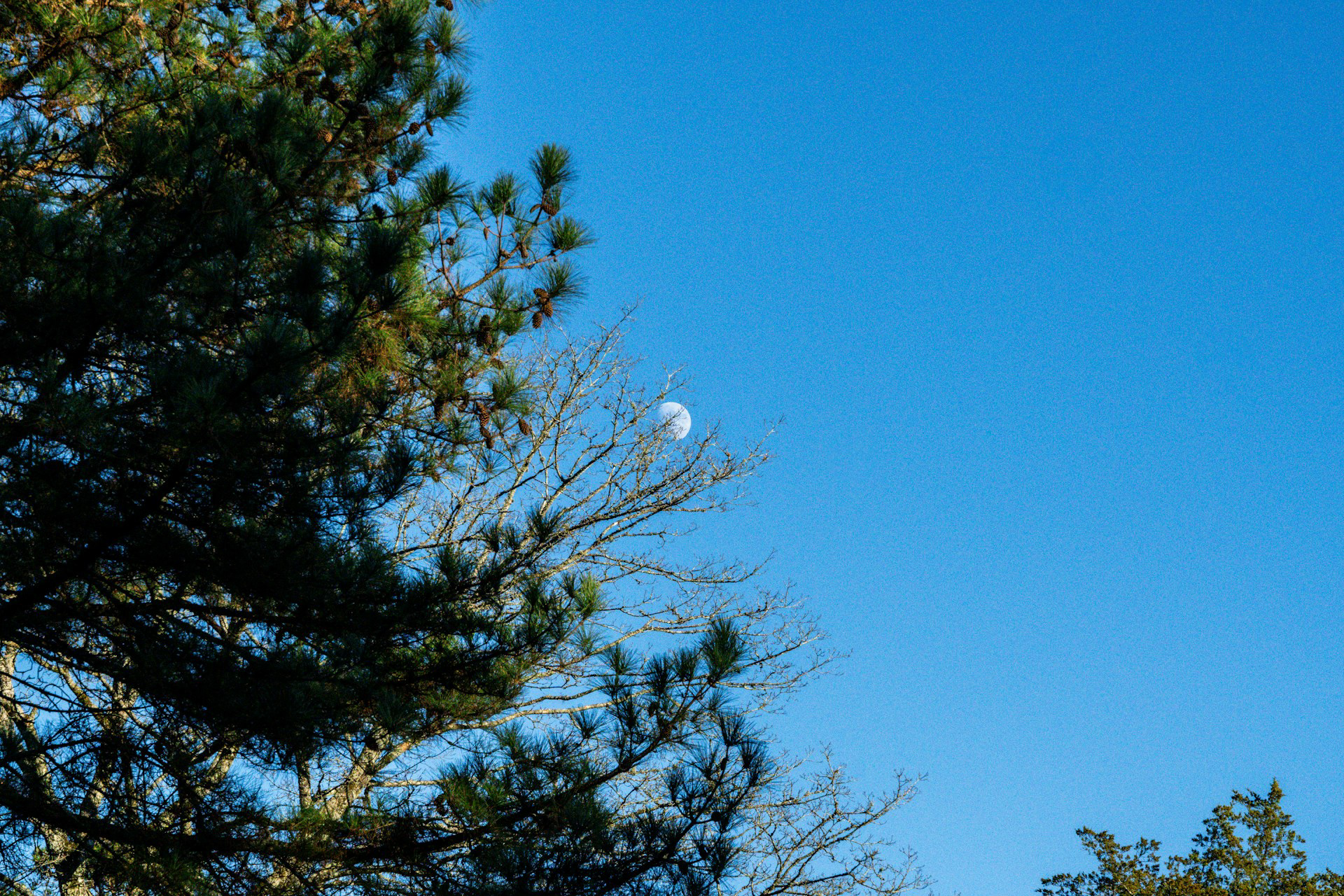
Sarah quit optimizing her mornings. No more 5 AM wake-ups, meditation apps, smoothie hacks, productivity podcasts while commuting. She just… slowed down.
She brews coffee slowly, watching steam rise. She eats breakfast tasting the food, not scrolling her phone. She takes the long walk to work through the park instead of the fastest route. She does one thing at a time.
Her output didn’t increase. Her promotion didn’t come faster. But she stopped grinding her teeth at night. Her anxiety lifted. She remembered what it felt like to simply be alive—not productive, not optimized, just alive.
This is slow living in a culture addicted to speed. And it’s revolutionary.
Why Slow Living Is Resistance
Capitalism requires our hurry. Rushed people buy convenience. Exhausted people can’t organize. Distracted people don’t notice injustice. Speed keeps us compliant.
The system wants you burnt out, not rested. Consuming, not creating. Scrolling, not connecting.
When you slow down, you break the machine:
- You cook instead of ordering delivery
- You notice what actually matters
- You have energy for resistance
- You remember joy isn’t something to chase—it’s something you choose
Slow living isn’t laziness. It’s reclaiming your humanity from a system that treats you like a resource to be extracted.
What Slow Living Looks Like
In the Kitchen:
- Cooking from scratch, chopping slowly, tasting as you go
- Eating meals without screens, actually tasting food
- Bread baking—the slowest, most meditative food
- Preserving seasonal food instead of buying year-round
In Communication:
- Handwritten letters instead of texts
- Face-to-face conversations instead of DMs
- Listening without planning your response
- Calling instead of emailing
In Movement:
- Walking instead of driving when possible
- Sitting under a tree doing absolutely nothing
- Stretching just to feel your body
- Dancing for joy, not exercise
In Consumption:
- Mending clothes instead of replacing
- Borrowing instead of buying
- Choosing quality over quantity
- Waiting before purchasing
In Work:
- Single-tasking instead of multi-tasking
- Taking real breaks
- Leaving work at work
- Saying no to overcommitment
In Rest:
- Actual sleep (not scrolling until you pass out)
- Naps without guilt
- Sundays with no agenda
- Boredom as a feature, not a bug
The Science of Slow
Research shows speed is killing us:
Chronic Stress Causes:
- Heart disease, diabetes, autoimmune disorders
- Anxiety, depression, burnout
- Disrupted sleep and digestion
- Shortened lifespan
Slowing Down Provides:
- Lower cortisol (stress hormone)
- Better immune function
- Improved memory and focus
- Greater life satisfaction
- Deeper relationships
Your body wasn’t designed for constant hustle. It was designed for rhythms—work and rest, activity and recovery, connection and solitude.
Real Stories of Slow Rebellion
Jen, Corporate Lawyer → Small-Town Baker: Quit the 80-hour weeks. Moved to Vermont. Bakes bread. Makes less money, owns less stuff, feels more alive. She says: “I thought slowing down meant giving up. It actually meant waking up.”
The Ahmed Family, Suburban Phoenix: Decided to eat one family dinner together every night—no phones, no TV. Just food and conversation. Kids resisted at first. Now it’s sacred. Connection deepened. Arguments decreased. They rediscovered each other.
Marco, Delivery Driver: Can’t quit his job—needs the income. But he stopped listening to podcasts while driving. Just drives. Notices the city. Breathes consciously. Waves at kids. His job didn’t change, but his experience of it transformed. He’s less exhausted, more present.
Community Garden Coalition: Members spend Saturday mornings gardening together—slowly. No efficiency metrics. No productivity goals. Just hands in soil, conversations rambling, sun warming backs. They call it “resistance gardening.” Not because they’re fighting police. Because they’re refusing to rush.
How to Start Living Slowly
Morning Ritual: Don’t check your phone for the first hour. Instead:
- Stretch
- Make coffee or tea mindfully
- Eat breakfast tasting it
- Sit in silence for five minutes
- Notice how you feel
One Slow Meal Daily: Pick one meal. Prepare it without rushing. Eat it without screens. Taste every bite. Let digestion happen before moving on.
Weekly Sabbath: One day, one half-day, even one hour—make it non-negotiable rest. No productivity. No errands. Just being.
Technology Boundaries:
- Phone on airplane mode until after breakfast
- No screens an hour before bed
- One day per week fully offline
- Delete apps that steal time without adding value
Movement Practice: Walk somewhere slowly. Stretch. Yoga. Tai chi. Any practice that connects you to your body’s rhythms, not external demands.
Single-Tasking: When you do something, do only that thing:
- Eating? Just eat.
- Walking? Just walk.
- Talking to someone? Just listen.
- Working? Close all other tabs.
What You’ll Lose (Good Riddance)
- The hustle badge of honor
- Surface-level productivity
- Performative busyness
- Fake urgency
- The illusion that speed equals success
What You’ll Gain
- Energy for what actually matters
- Deeper relationships
- Actual rest
- Creativity (boredom breeds ideas)
- Joy in ordinary moments
- Sovereignty over your time
Pushback You’ll Face
“You’re being lazy.” No. Lazy is mindlessly scrolling. Intentional rest is self-respect.
“But I have kids / debt / responsibilities!” Slow living isn’t about privilege—it’s about choices within constraints. Can you cook one slow meal? Take one walk? Say no to one thing?
“The world is on fire. How can I rest?” Burnt-out activists can’t sustain movements. Exhausted people can’t think creatively. Rest is how you stay in the fight.
“I’ll fall behind.” Behind what? A race you never signed up for? To a finish line that keeps moving? The only thing you’re falling behind on is your own life.
The Deeper Revolution
Slow living isn’t just personal—it’s political.
When we slow down:
- We buy less (starving exploitative systems)
- We notice more (seeing injustice clearly)
- We connect deeper (building community power)
- We rest enough to resist (sustaining movements)
The system fears rested people. Rested people question. They organize. They refuse bullshit.
Exhaustion is a tool of oppression. Rest is resistance.
Slow Living in Community
Imagine if your whole neighborhood slowed down:
- Sunday potlucks become sacred
- Kids play outside instead of being shuttled to activities
- Neighbors actually talk on porches
- Gardens grow because there’s time to tend them
- Mutual aid flourishes because people have capacity
This isn’t nostalgia. This is what becomes possible when we refuse the pace capitalism demands.
Start This Week
Pick ONE practice. Not five. One.
Options:
- Cook one slow meal
- Take one walk without headphones
- Eat one meal without screens
- Write one handwritten letter
- Sit under a tree for ten minutes
- Stretch for five minutes daily
- Have one phone-free evening
Do it for seven days. Notice what changes.
The first few days, you’ll feel restless. Your nervous system is addicted to stimulation. Let it detox.
By day seven, you’ll feel something underneath the restlessness: peace. The kind you forgot existed.
The Ultimate Rebellion
In a culture that monetizes every moment, simply being—without producing, consuming, or performing—is radical.
Your worth isn’t your output. Your value isn’t your productivity. Your life isn’t a resume.
You’re a human being, not a human doing. And the most rebellious thing you can do is remember that.
So slow down. Not because you’ve earned it. Not because your to-do list is done. But because you’re alive, and life is happening right now, and it deserves to be savored.
Cook slowly. Walk slowly. Love slowly. Live slowly.
Let the world rush by. You’re not racing anymore.
Welcome to the slow rebellion. Where rest is resistance, and presence is power.
Go slowly, friend. The revolution will still be here when you arrive—rested, clear-eyed, and ready.
The Repair Café Movement