Our street threw its first potluck in May. Seven people showed up, half of them brought store-bought cookies, and everyone stood awkwardly near their own houses for the first twenty minutes.
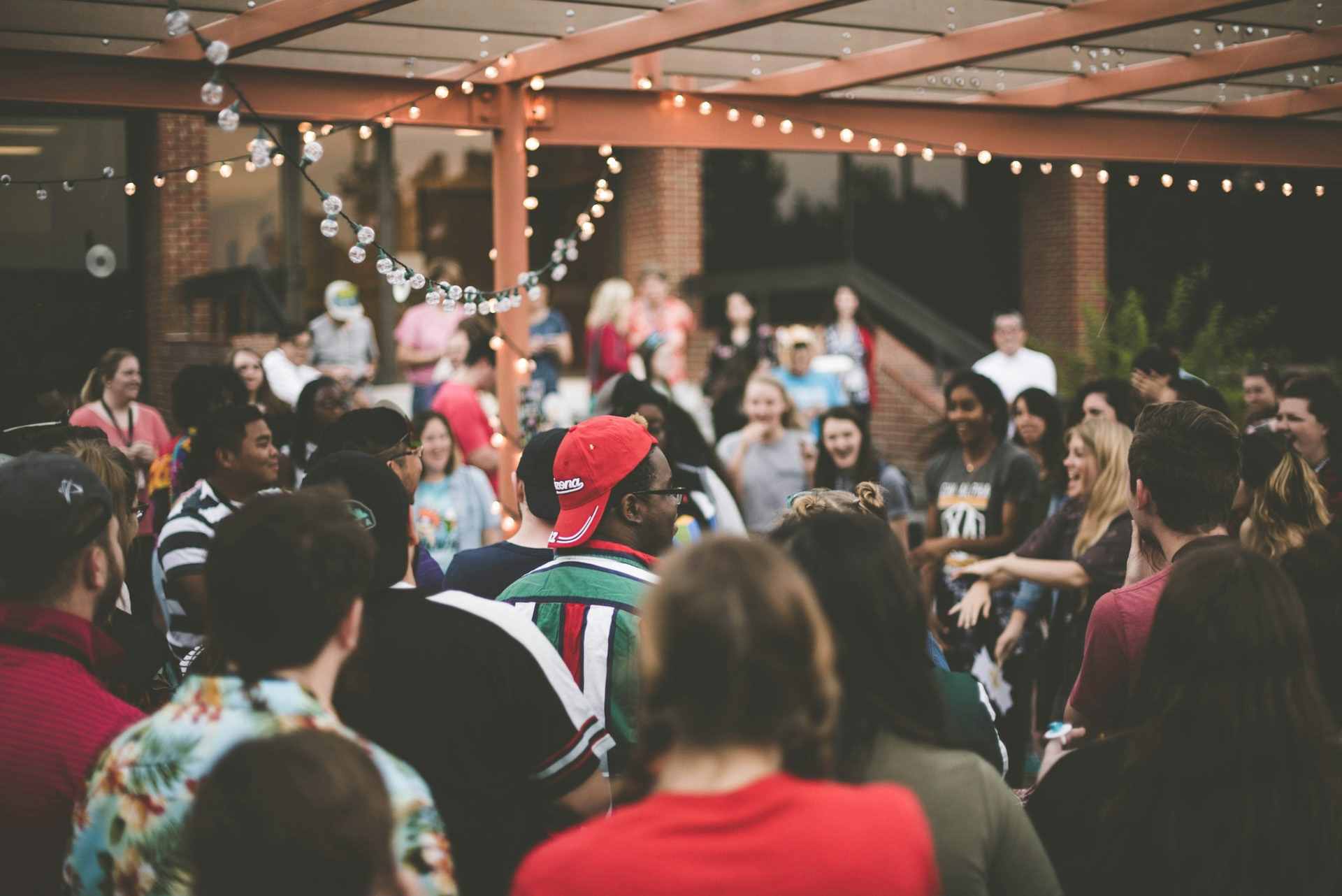
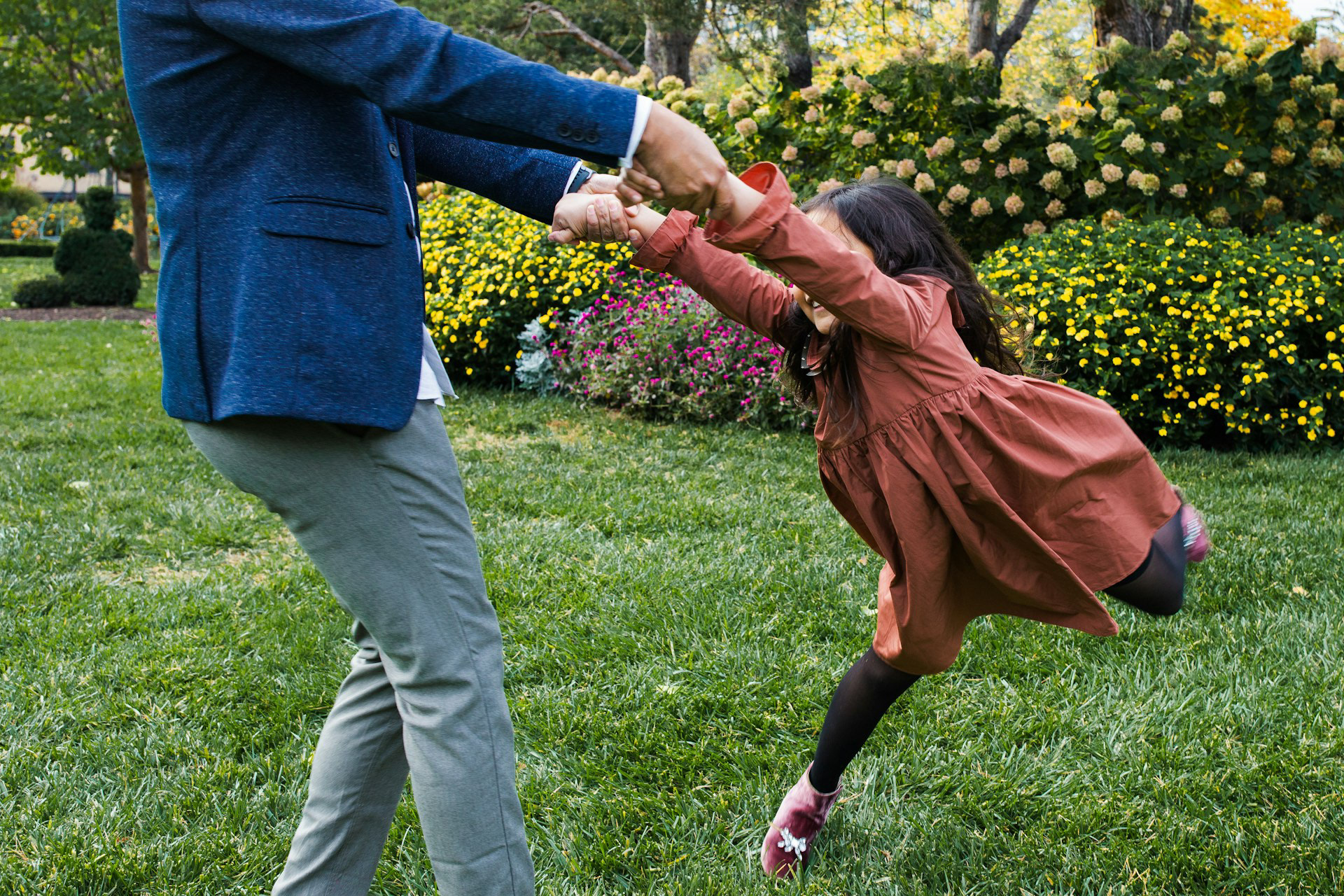
Now it’s February, and forty-five people gather the first Sunday of every month. Kids run wild on scooters. Someone always brings a guitar. The vegan brings a dish everyone devours. We know each other’s names, jobs, struggles, joys.
This didn’t happen because we’re special. It happened because someone decided to do it, kept doing it, and made it easy for others to join.
Here’s exactly how we make it work, including all the boring logistics nobody tells you about.
The First One: Just Do It
I overthought everything. Permits? Insurance? What if nobody comes? What if too many people come? What if someone gets food poisoning?
My neighbor finally said: “Or we just put tables on the street next Sunday and see what happens.”
What we actually did for potluck number one:
- Picked a date: First Sunday in May, 5-7 PM
- Made simple flyers: “STREET POTLUCK - Bring a dish, bring yourself”
- Knocked on doors personally (crucial—flyers alone don’t work)
- Set up three folding tables in the street
- Put out a donation jar for future events
- Showed up with too much food just in case
What we didn’t do:
- Get official permits (some cities require them, we assessed our risk tolerance)
- Create elaborate organization
- Set up formal structures
- Worry about perfection
“The first potluck doesn’t need to be perfect. It needs to exist.”
The Door-Knocking Part
This was the hardest and most important part. You can’t just post in the neighborhood group. People need personal invitation.
What I said at doors: “Hi, I’m Sarah from number 22. A few of us are trying to bring the street together with a monthly potluck. First one’s this Sunday, 5-7 PM, just bring a dish if you can. No pressure, but it’d be great to see you.”
What worked:
- Being specific (this Sunday, not “sometime”)
- Personal ask (not just “neighbors are invited”)
- Low pressure (“if you can”)
- Friendly, not formal
What I learned:
- Most people want connection, they just need invitation
- Elderly neighbors were the most excited
- Young families were desperate for community
- The “unfriendly” guy everyone avoided? Showed up with homemade tamales
Knocked on thirty doors. Got fifteen “maybes” and three definite nos. Seven people came. That was enough.
The Location Question
We’re lucky—our street is quiet. But you don’t necessarily need to close a street.
Options that work:
- Quiet residential street (put up cones, cars can go around)
- Cul-de-sac (naturally contained)
- Large driveway or yard (one person volunteers their space)
- Parking lot (if you’re in an apartment building)
- Park pavilion (public space, often free to use)
- Sidewalk strip (long enough for tables)
The street closure logistics:
- We use orange cones at both ends (borrowed from someone’s garage)
- Post a neighbor at each end to direct any cars around
- Usually no cars come (we pick Sunday evening)
- Started without a permit, eventually got one when we formalized
Check your local laws: Some cities require permits for street closures. Some don’t care about small gatherings. We started without one, nobody complained, eventually filed for one online (free, took 10 minutes).
Worst case: have it in someone’s driveway as backup plan.
The Food Part
People stress about food. “What if we don’t have enough? What if everyone brings dessert? What if someone has allergies?”
Reality:
- Someone always brings too much
- It doesn’t matter if three people bring pasta salad
- People with allergies manage their own food
- Potlucks self-balance over time
What we learned after ten potlucks:
First few: Everyone brought easy stuff (chips, cookies, store-bought items). That’s fine. The point is showing up.
By month three: People started actually cooking. Homemade dishes appeared. Cultural foods showed up. Pride in contribution developed.
Now: We have a Google doc where people can optionally write what they’re bringing. Nobody checks it, but it exists if you want to coordinate.
The unspoken food hierarchy that developed:
- Mr. Johnson’s barbecue (everyone waits for this)
- The Korean family’s kimchi dishes (gone in minutes)
- Sarah’s sourdough bread (her claim to fame)
- Maria’s tres leches cake (there’s a waiting list)
“The food brings people together. The sharing keeps them coming back.”
What Actually Happens
5:00 PM - A few early people set up tables. Music starts. Kids appear with chalk.
5:30 PM - Food table fills. People trickle in. Conversation is still a bit stiff.
6:00 PM - Critical mass hits. Laughter gets louder. Kids running everywhere. Someone brings out a guitar.
6:30 PM - This is the magic hour. Deep conversations happening. New connections forming. Someone mentions they need help with something, three people offer.
7:00 PM - Official end time. Nobody leaves.
7:45 PM - People start helping clean up. Someone suggests we do this every month.
8:30 PM - Last stragglers finally go home.
The pattern is the same every month. The stiffness at the start melts into genuine community by the end.
The Evolution Over Time
Month 1: Awkward. Everyone near their own house. Lots of small talk about weather.
Month 2: Less awkward. People branch out a bit. Kids start playing together.
Month 3: First real moment—elderly woman mentions she’s lonely. Three people exchange numbers to check on her.
Month 4: Someone brings a speaker. Dancing happens. Elderly woman brings her grandson.
Month 5: First conflict—someone’s kid broke someone else’s planter. Adults handled it gracefully in public, teaching kids accountability.
Month 6: Potluck becomes “the thing we do.” People plan around it. Invite out-of-town guests to see it.
Now: It’s infrastructure. When someone’s house floods, potluck is where we organize help. When someone loses a job, potluck is where we pass the hat. When someone has good news, potluck is where we celebrate.
The Practical Details Nobody Mentions
Tables and chairs:
- Started with three folding tables (people brought their own)
- Now we have a “table rotation” (different houses store them)
- People bring their own chairs or blankets
- Nobody cares if it’s fancy
Serving stuff:
- Everyone brings their own plates/utensils (we’re not fancy, we’re practical)
- Some people bring reusables, some bring compostables
- We keep paper plates in someone’s garage for anyone who forgets
- Shared serving spoons appear somehow
Weather:
- Rain = move to covered garage or postpone
- Heat = bring shade tents
- Cold = bring heat lamps or move it to midday
- We’ve only cancelled twice in eight months
Cleanup:
- Whoever’s hosting that month (table location rotates) does final cleanup
- Everyone takes their own dishes
- Trash gets divvied up between a few houses
- Takes 15 minutes max
Money:
- Donation jar at first potluck collected $47
- Used it to buy shared tables
- Now we keep a small fund for emergencies (like rain tent rental)
- Nobody’s ever asked for money to participate
The Unexpected Benefits
Crime dropped: Seriously. Package theft stopped. People watch out for each other’s houses. Thieves don’t steal from neighbors they know.
Kids have a village: Children who were screen-addicted now play outside because they have friends on the street.
Mental health improved: The elderly have somewhere to go. The lonely have connection. The anxious have community.
Practical help flows: Need a ladder? Someone has one. Need childcare? Someone offers. Need moving help? Six people show up.
Politics became less divisive: We have Trump voters and Bernie voters. They grill together. Turns out shared meals humanize political opponents.
“We didn’t solve the world’s problems. We just created one small space where neighbors became people who care about each other.”
Common Obstacles and Solutions
“My street is too busy/dangerous”: Use a driveway, yard, or nearby park. The location matters less than the gathering.
“Nobody will come”: Maybe true first time. Do it anyway. Even three people eating together is success. Keep doing it. People join when they see it’s real.
“What about permits?”: Research your city laws. Many places don’t require permits for gatherings under 50 people. Some do. Decide your risk tolerance. We started illegal, eventually got permitted.
“I don’t have time to organize”: It’s less work than you think. Once established, it runs itself. Different people volunteer different months. Rotation spreads the work.
“My neighborhood isn’t friendly”: Neither was ours. That’s why we started. Unfriendly neighborhoods need this most.
How to Start on Your Street
This month:
Week 1: Pick a date 4-6 weeks out. First Sunday works well.
Week 2: Make simple flyers. Knock on doors. Personal invitation matters most.
Week 3: Confirm location. Borrow tables. Set up a simple plan.
Week 4: Remind neighbors. Confirm volunteers for setup/cleanup.
Day of: Show up. Put out tables. Welcome people. Don’t stress.
After: Thank everyone who came. Announce next month’s date before they leave.
Simple invitation template: “Monthly street potluck! First Sunday, 5-7 PM, [location]. Bring a dish to share and your own plate. Kids welcome. Rain date: next day. Questions? Text [your number].”
That’s it. No formal organization needed.
The Real Transformation
Month eight, something happened that proved this was working.
A family’s house caught fire. They lost everything. Before anyone could organize a GoFundMe, neighbors showed up. Clothes. Furniture. Money. Childcare. Housing offers. Meals for weeks.
The family was overwhelmed. They kept saying “we barely know you.”
But we did know them. We’d shared probably forty meals together by then. We knew their kids’ names. Their dietary restrictions. Their dreams. Their struggles.
That’s what potlucks actually create: networks of care that show up when it matters.
“We started trying to make friends. We ended up creating a safety net.”
Start Next Month
You don’t need:
- A perfect street
- Unanimous agreement
- Official anything
- Big budget
- Special skills
You need:
- A date
- A location
- Personal invitations
- One dish
- The willingness to show up monthly
The first one will be awkward. Do it anyway. The second will be better. Keep going. The third will start feeling real. Don’t stop.
By the sixth, you won’t recognize your street.
Pick your date now. First Sunday next month. Put it on your calendar. Start knocking on doors this weekend.
Your street is full of people who are lonely, disconnected, craving community. They’re just waiting for someone to make it easy to connect.
Be that someone. Bring the tables. Make the invitation.
The rest will happen on its own.